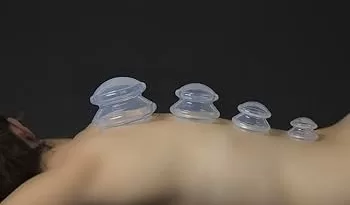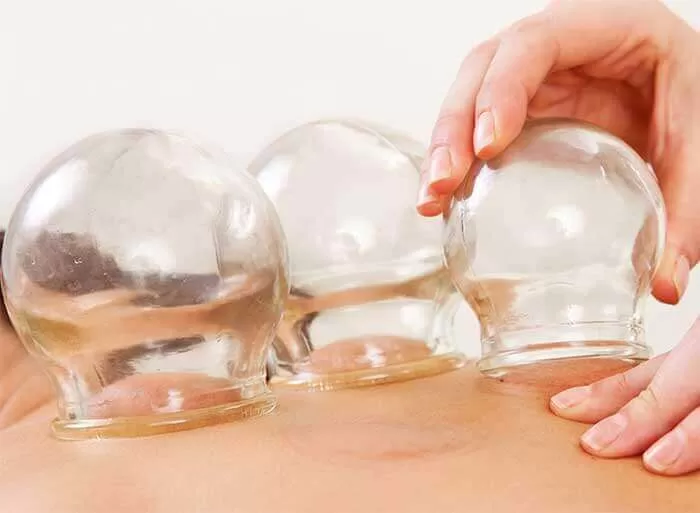
Cupping is an ancient therapy in which cups are placed on the skin to create a vacuum, lifting the skin and muscle to boost blood flow and ease tension. The vacuum is made either by briefly heating the inside of a cup (glass or bamboo) or using a pump with plastic or silicone cups. This is typically done as dry cupping, though it can be paired with other treatments. Wet cupping is a variation that involves making small skin incisions before applying suction to draw out a small amount of blood.
How it works
- Vacuum creation: The practitioner heats the cup or uses a pump to create suction.
- Suction and lifting: The skin and superficial muscles are drawn upward.
- Blood flow: Increased circulation is believed to support cell repair and reduce tension.
- Discoloration: Bruise-like marks may appear and usually fade within days to two weeks.
What to expect
- Sensation: Usually not painful; warmth is common.
- Side effects: Temporary marks are typical; dizziness or flu-like symptoms are less common.
Who should avoid it
People with conditions such as liver, kidney, or heart failure, hemophilia, anemia, or heart disease should avoid cupping.